Meet a Chef who has no limit's Matthew Beaudin

Why Chef Matthew Beaudin Is Redefining Culinary Impact and how SSA Group Is Leading the Charge in Experience-Driven Food.
In an era where the culinary world is flooded with viral trends, fleeting pop-ups, and chefs
more focused on personal brands than lasting change, it is rare to find someone who is truly
disrupting the status quo.
Enter Chef Matthew Beaudin, a culinary innovator who is not just cooking, but engineering
food systems that touch millions. As Corporate Director of Culinary Innovation at SSA Group,
he is turning everyday visits to zoos, aquariums, and museums into transformative
experiences. What sets him apart is not flashy awards or Michelin stars. It is his relentless
drive to make food a force for sustainability, community, and real-world scalability.
From Outcast to Outlier: Beaudin’s Unconventional Journey
Beaudin’s path was not paved with privilege. Growing up, he faced constant setbacks,
monthly school suspensions, rock-bottom grades, isolation from peers, and a deep sense of
failure. Yet this “culinary outcast” channeled that chaos into passion. Educated at the Culinary
Institute of America, he dove headfirst into the industry, traveling globally to immerse himself
in diverse food cultures, sourcing practices, and sustainable systems.
His early career included high-stakes events like the Pebble Beach Food & Wine and Los
Angeles Food & Wine festivals, where he honed his skills in controlled chaos. But Beaudin did
not stop at elite kitchens. He evolved into a leader who oversees world-class culinary teams,
building menus that prioritize heart, authenticity, and impact. Peers describe him as the
“go-to” guy, resourceful, logical, and unyieldingly committed to meals that come from the heart
and foster community pride.
What truly elevates him is his philosophy: Food is not about ego or aesthetics. It is a vehicle
for stewardship. He cultivates ties with local purveyors, champions natural resource
protection, and designs sustainable solutions that scale without compromise. In a field
obsessed with the new, Beaudin reminds us that true innovation stems from eternal passion
and real costs, personal and planetary.
SSA Group: Where Food Meets Mission at Scale
This mindset aligns perfectly with SSA Group, a Denver-based powerhouse that has been
revolutionizing guest services for over 50 years. SSA is not your typical food vendor. They
integrate dining, retail, ticketing, and experiential design across nearly 80 cultural attractions

nationwide, serving more than 52 million visitors annually. From zoos to aquariums and
museums, SSA treats food as an integral thread in the guest journey, not an afterthought.
In Beaudin’s role, he is spearheading culinary innovation that makes high-volume operations
feel personal and purposeful. Menus echo the venue’s mission, sustainable seafood at an
aquarium or locally sourced bites at a zoo, all while navigating budgets, staffing flux, and
massive crowds. SSA’s model proves that food can drive revenue, efficiency, and emotional
connections, turning a quick bite into a memorable story.
Why Beaudin Stands Apart in America’s Culinary Landscape
Most top chefs chase the glamour of fine dining, intimate settings, unlimited budgets, and
adoring critics. Beaudin operates in the trenches of high-traffic venues, where success
demands blending artistry with operations. It is not about impressing a few. It is about
elevating experiences for thousands daily.
He understands that the future of food lies in integration: How does a dish tie into the
environment? How does it promote sustainability amid shifting supply chains? How does it
build teams that thrive in uncertainty? Beaudin’s work at SSA shows that the most influential
chefs are systems builders, crafting repeatable, meaningful experiences that reshape how
Americans engage with food. in a post-pandemic world craving connection, his approach wins because it is smart, scalable and soulful. It is food that does not just feed, it inspires change.
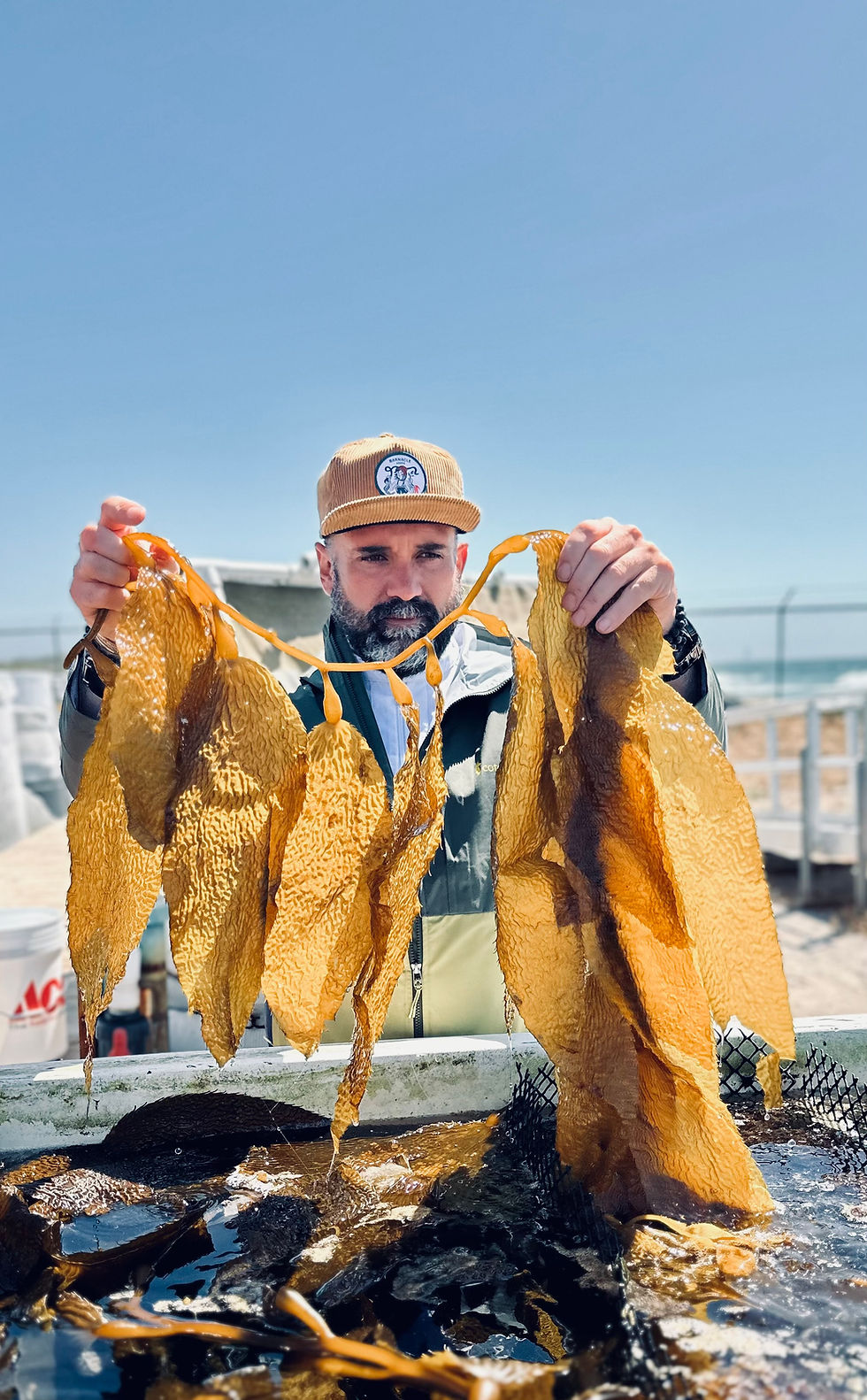
Aligning Visions: Partnerships That Turn Concepts into Reality
This is where strategic partnerships become game-changers. Companies like Maines
Contracting, a Kentucky-based leader in custom construction and design, perfectly
complement Beaudin’s vision and SSA’s holistic approach. Specializing in themed builds of
buildings, remodels, carts, kiosks, and retail merch units, Maines Contracting transforms
abstract ideas into tangible, high-energy environments that enhance the food experience.
From RFID tap walls and mobile food carts to full-scale interior renovations and custom
woodworking, Maines Contracting crafts spaces for theme parks, zoos, aquariums, and beyond, ensuring durability, flow, weather resistance, and brand storytelling. Their commitment to innovative solutions, timeless craftsmanship, and long-lasting client relationships mirrors Beaudin’s emphasis on stewardship and authenticity.
Imagine a zoo kiosk that not only serves sustainable bites but immerses guests in the
habitat’s theme, or a remodeled aquarium cafe where the design flows seamlessly with the
marine mission. Maines Contracting’s fun, functional builds align directly with SSA’s
guest-centric model, enabling Beaudin’s culinary innovations to shine in real-world settings.
Together, they create environments where food is not isolated, it is woven into the story,
fostering memories that last. This synergy shows how aligned visions in food experiences can
elevate attractions from good to unforgettable.
The Questions That Reveal the Real Beaudin
To truly understand what fuels Chef Matthew Beaudin and why he is one of America’s
standout culinary leaders, skip the surface-level queries about recipes or trends. Dig into the
purpose, the grit, and the vision. Here are the questions interviewers rarely pose, but should.

1. What early failure in your life turned you into a culinary outcast, and how did it
ignite your passion for food as a tool for personal and communal transformation?
I grew up feeling like the kid who was always behind and always in trouble. School is a
system and to me it was a system that I was failing and was failing me. Kitchens were the
first place where the work and effort I put in translated directly into an outcome I could see.
There was no hiding. You either showed up and produced, or you didn’t and you failed.
That environment gave me incredible ownership over my results for the first time in my life.
Food became the place where I could turn the chip on my shoulder life had given me into
something useful.
2. In the midst of controlled chaos, what is the one leadership principle you have
forged that keeps teams innovative without burning out?
I do my best not to glorify the chaos. A lot of chefs pretend stress is culture and I think it
drove a lot of young chefs away from the industry. My rule in life is simple: if the system
only works when people are killing themselves, it is a bad system. I try to build structure so
the team can think, and not just react when it's all on fire. When they feel stable, they can
get creative. When they feel hunted, they just survive and often times we all end up on the
menu that way.
3. What overlooked aspect of global food cultures do you always seek out during
travels, and how has it shaped your views on American dining habits?
I pay attention to who handles the food before it ever reaches a chef. This often tells you
more than you can learn on a box. The fisherman, the farmer, the market porter, the woman
cleaning greens on the street. In many countries, food is treated with respect because it is
tied directly to survival. In the US, we rarely interact with food as anything other than a
finished product, leaving us disconnected from the human chain behind it. Travel has made
me see how much privilege we have baked into our daily consumption.
4. How do you reconcile the raw, personal costs of eternal passion in this industry
with the need for sustainable practices that protect both people and the planet?
This industry will take your time, your relationships, your health and even your life if you let
it. Early on I thought burnout meant you cared and were doing more than the other guy.
Now I see it as a massive warning sign. If I talk about protecting oceans and farms but
ignore the well being of my own team, I am lying to myself and everyone around me. Real
sustainability includes the people doing the work. That sometimes means saying no to
opportunities, which the younger me would never have done and sometimes the older me
still struggles with.
5. What is the biggest myth about delivering top-tier food in high-volume cultural
attractions, and how does SSA shatter it?
To me the myth is that high volume has to mean low integrity. That is an excuse now and
always has been. Volume forces you to be honest about your systems and lack there of. If
your sourcing story falls apart at scale, it probably was not strong enough to begin with. I
design stories with reality and a sense of practicality in mind. Millions of guests are not an
obstacle, they are an opportunity to influence how people think about food on a massive
scale in some of America’s most storied institutions.

6. When budgets tighten and supply chains break, how do you embed authenticity
into menus without it feeling like a compromise?
I would rather serve fewer items with a real story than have a massive menu that is
pretending it checks boxes. I believe our guests are smarter than operators think at times. If
something is a compromise, I say it is a compromise and explain why to help educate the
consumer. Transparency builds more trust than perfection nine times out of ten. Some of
the most meaningful menus I have built came from tight constraints and budgets.
7. What does true stewardship of natural resources look like in daily operations,
and why do you think most chefs still fall short?
It looks boring from the outside. It is vendor audits, waste logs, portion discipline, training
teams to care where products come from and why we should honor the ingredients. It is
saying no to a cheaper or more story full product when you know the sourcing is
questionable. Many chefs fall short because this work is invisible and it takes time. There is
nothing sexy about it. It does not boost your ego, it is just the right thing to do.
8. In an industry rife with buzzwords, how do you define innovation in a way that is
actionable and tied to real impact?
Innovation to me is something that works all day every day on a slammed Saturday with a
short staffed kitchen and a late delivery. If it only works in a photo shoot or test kitchen,
then it is nothing more than performance. I care about ideas that survive real conditions and
still keep their integrity because those ideas support systems and change that can alter the
trajectory of destruction to our food chain we have been on for so long.
9. Describe a pivotal interaction with a guest or team member that reaffirmed your
commitment to food as a mission, not just a meal.
I remember a conversation with a fisherman near a coastal fishery outside the US who told
me the export market paid better but left less fish for locals. That has stuck with me ever
since. It called into question everything I thought I was doing to help. Sustainability is not
just about species counts, it is about who gets access to the resource as well. That moment
to this day pushes me to think beyond labels and certifications and look at the human
outcome and socioeconomic impact.
10. If you could overhaul one systemic flaw in how food is experienced at American
attractions, what would it be, and why?
Food is often treated like a side utility instead of part of the educational mission. You can
teach someone about oceans, wildlife, culture, and conservation through what they eat on
site. When food is generic, you lose a powerful teaching tool. I want dining to reinforce the
story guests came to experience, leaving them hungry for more.
11. Beyond the kitchen, what legacy do you aim to leave in the broader world of
hospitality and sustainability?
I do not necessarily care about being known as this famous chef. I care about building
systems and mentoring people who keep pushing for better sourcing, better labor practices,
honesty in food and a future we can all be proud of. If someone I trained makes a decision
that protects a community or an ecosystem years from now, that is the legacy that was
worth every moment. In the world we live in there is so much noise, so many creators
creating just that, noise. We need more doers and people willing to get dirty. Back in the
day they were called movers and shakers. Today they are couch content creators. My
legacy is to give a voice to those who will never get a microphone to let them speak, from
the jungles of Ghana to the banks of the Mekong, from the barrios in Mexico to the remote
hills of Rwanda. Our voices can make waves, one drop at a time.
The Era of Culinary Builders Is Here
Chef Matthew Beaudin, SSA Group, and partners like Maines Contracting are not just
adapting to the future, they are architecting it. In a noisy industry, they are the quiet
revolutionaries, building cultures, systems, and memories through food that is as innovative
as it is intentional.
Chef Matthew Beaudin as an Educator of Innovation
What makes Matthew Beaudin truly stand apart is that he is not chasing innovation for attention. He is chasing it for impact.
And not just inside the walls of SSA.
Matthew represents a rare type of culinary leader. The kind who understands that the future of food will not be won by who has the most creative menu. It will be won by who can educate the industry on how to do things better.
Better sourcing.
Better systems.
Better sustainability.
Better guest engagement.
Better long-term thinking.
Matthew’s approach to sustainability is not performative. It is rooted in education, discipline, and real-world execution. He has the ability to take complex topics like supply chains, global sourcing, responsible seafood, and sustainable agriculture, and translate them into practical, actionable strategies that culinary teams can actually apply.
That matters because sustainability cannot stay in the boardroom. It has to reach the line cooks, the prep teams, the purchasing departments, and the operators who fight daily constraints.
Matt doesn’t just want to create change. He wants to lead the education behind it.
The future of food needs leaders who are willing to teach, mentor, and raise the standard across the entire industry. Leaders who understand that innovation is not about reinventing the dish. It is about reinventing the responsibility behind the dish.
And that is exactly the lane Matthew Beaudin is building.
Summary
Chef Matthew Beaudin represents the future of food and beverage leadership because he goes far beyond cooking. Through his work with SSA Group, he helps shape guest experiences at scale by combining innovation, sustainability, and operational excellence. What makes him stand apart is his deeper purpose. He is not focused on trends or attention. He is focused on impact, education, and building systems that can elevate the entire industry. Matthew’s ability to lead sustainability through real-world execution, while inspiring teams and raising standards, is exactly what the food and beverage world needs as it moves into the next generation of hospitality and all of us at Maines Contracting are glad to know someone like Matthew and we cant wait to see what he decides to conquer next!
The real question for all of us? Are we content with serving plates, or are we ready to craft
legacies spark innovation and be the leaders in the next chapter like Matthew?


Comments